Footage tied to the record
A clip is only evidence if you can prove when and where it was taken. Bringing cameras into the same platform as the tracking data attaches both automatically.
Components
Ecosystem
Navixy, distributed in Saudi Arabia by Smart Tracks.
The whole platformDashcams & MDVR
Position, speed and a braking event describe an incident. They do not show the car that pulled out. Video telematics puts the footage on the same record as the data, so the account of what happened has both halves.
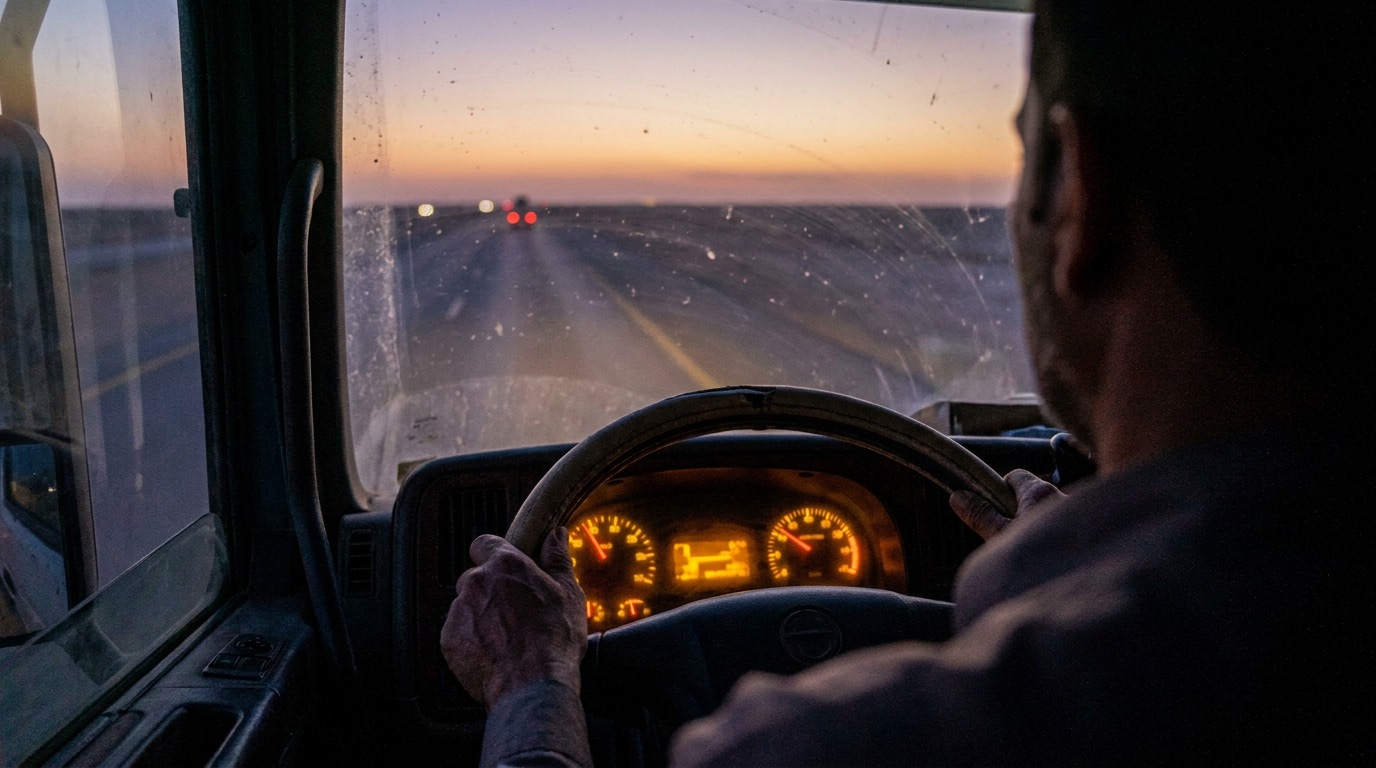
A clip is only evidence if you can prove when and where it was taken. Bringing cameras into the same platform as the tracking data attaches both automatically.
Road-facing and cabin-facing cameras for light vehicles, and multi-channel recorders for trucks and buses where one angle is never enough.
A harsh-braking event is a number until somebody sees what caused it. Video turns a driver-behaviour argument into a five-second answer.
Footage requested around an alert rather than streamed continuously — the difference between a workable data plan and an unworkable one.
The insurer, the customer and the driver each remember it differently. The recording and the position do not.
Video support is per-device, like everything else. Send us the models and we will confirm what is supported before it is specified into a tender.
What it means for you
Video is the upsell that sells itself, because the first disputed accident pays for it. It is also the one a customer will not fit twice — whoever supplies the cameras tends to keep the tracking contract with them.